
UUCSA COMMUNITY STATEMENT | The Gaza Crisis, Iran and the Minbar
Reflections on Precedents for Communal Risk
A COMMUNITY STATEMENT
In the light of recent developments, the United Ulama Council of South Africa (UUCSA) has felt a need to offer perspectives on two sensitive issues, namely: the ongoing discourse surrounding Iran’s role in the Gaza Crisis, and the protestation to content delivered from the minbar.
Iran and the Gaza Crisis
The genocide in Gaza has rightly stirred outrage. In this climate, Iran’s role is being framed in extremes— either total vilification or unconditional praise. Both positions are flawed.
While Iran’s ideological framework and regional conduct, including its betrayal in Syria, remain deeply problematic, it is currently being unfairly targeted in global political discourse. As such, scholars like Mufti Taqi Usmani and Moulana Sajjad Noumani have endorsed a measured position: reject unjust targeting of Iran while maintaining clear theological boundaries.
This, neither exonerates Iran’s past conduct, nor endorses its political opportunism— including its strategic ambitions (rather than principled) posture on Palestine. Iran and Israel, framed as sworn adversaries, are caught in a geopolitical game serving larger imperial interests. Global hegemony fuels conflicts, keeping regions destabilised by manipulating divisions for strategic gains. The real danger lies not in ancient rivalries, but in external powers exploiting existing fault-lines in order to perpetuate domination.
By the same token, the silence and inaction of many Arab regimes in the face of genocide is a moral and political failure of the highest order. Their complicity— active or passive— represents a betrayal that must be placed on record and condemned. The Ummah deserves leadership, not slogans.
Minbar Disruption: A Precedent with Communal Risk
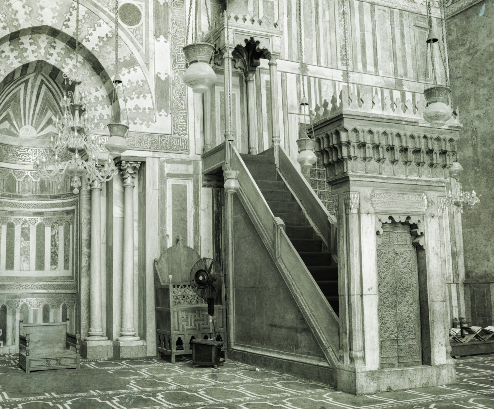
The minbar is a protected religious platform entrusted to qualified scholars. While disagreement with its messages is natural and protected under Islamic norms of scholarly diversity, public objection during sermons or lectures is procedurally inappropriate and undermines the decorum and function of sacred spaces. Such conduct risks setting a dangerous precedent: if one individual may interrupt, so may any other. This opens the door to repeated, disorderly challenges.
For an Ummah as diverse as ours, this path leads not to dialogue but to chaos— undermining the dignity of our gatherings and the sanctity of the minbar. It risks normalising weekly interruptions and turning every khutbah into a battleground of personal grievances and sectarian agendas. Even if some feel that scholars are disconnected or not listening— this is not the way. Reform must come through respectful engagement, not disruption.
UUCSA hereby reaffirms that:
- Support for Gaza must remain clear and firm, without falling into sectarian traps.
- In order to preserve the sanctity of the minbar, public disruption must not be condoned.
- Iran must neither be lionised nor unfairly scapegoated; our stance must be principled.
- Forces of global hegemony are exploiting factional differences to neutralise resistance to the settler colonial project in Palestine.
- Arab states must be held accountable for their dereliction of moral and regional responsibility.
We ask Allah to guide us to what is most just, to grant victory and relief to the people of Gaza and to protect the dignity of our sacred institutions.
Released by:
Yusuf Patel (Moulana)
Secretary General
07 Muharram 1447 / 03 July 2025